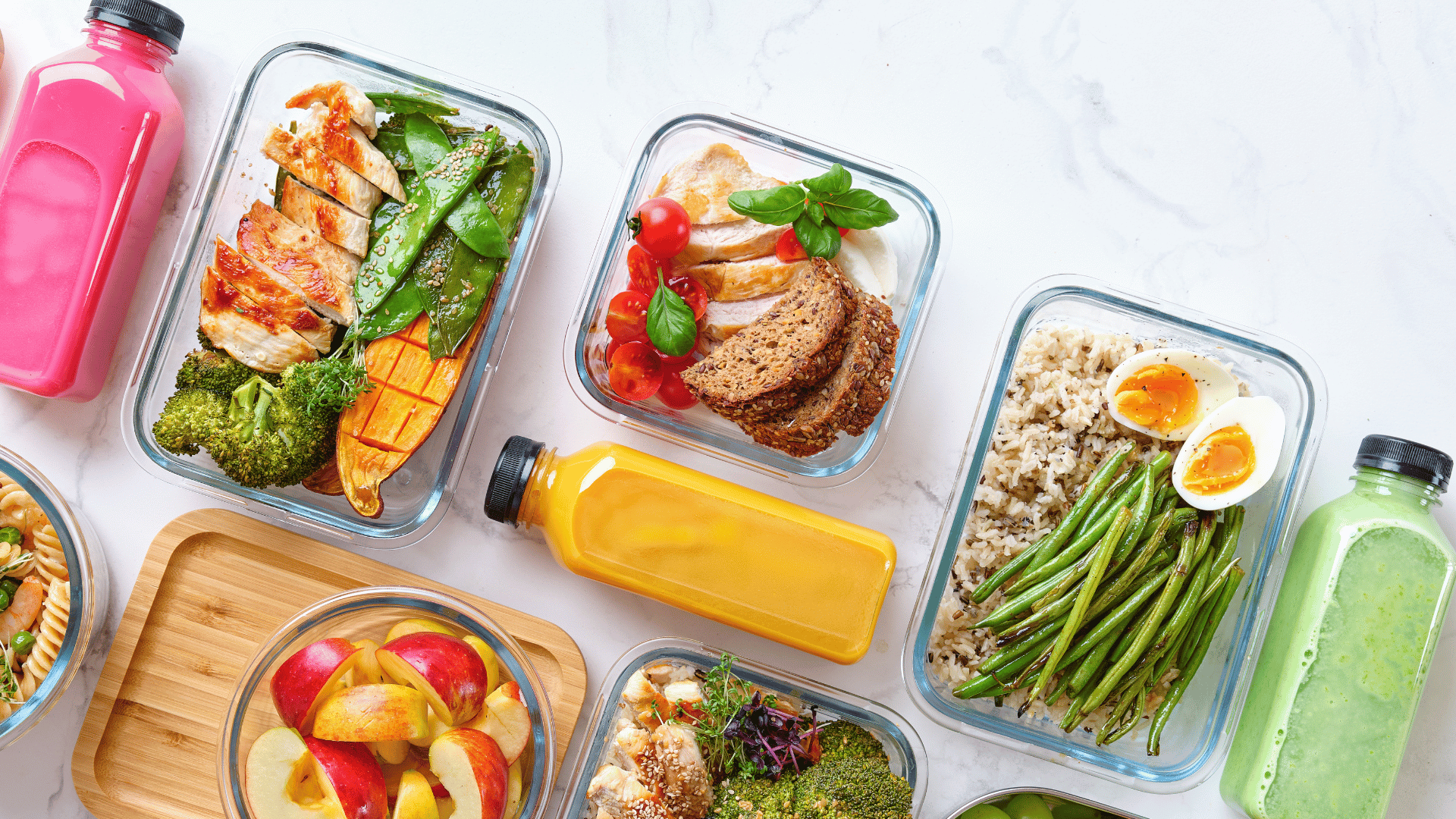
After pregnancy and birth, figuring out what to eat can feel like one more task on an already overwhelming to-do list. Between recovering from delivery, caring for your baby, and getting very little sleep, preparing balanced meals may be the last thing you have energy for. That is why having a postpartum meal plan can make such a difference.
As a Registered Dietitian and Certified Lactation Counselor (CLC), I encourage families to think about postpartum nutrition before the baby arrives. You do not need elaborate recipes or hours in the kitchen. You need convenient, satisfying food, a little preparation, and a community willing to help.
In this guide, you’ll find easy postpartum meal ideas, freezer meals, one-handed breastfeeding snacks, and practical meal prep strategies for the first few weeks.
Want a plan you can use right away? Get my free three-day postpartum meal plan, complete with practical meal ideas to help you get started.
Download the free three-day postpartum meal plan
Why Is Nutrition So Important After Birth?
Birth is a major physical event. Whether you have a vaginal delivery or a cesarean birth, your body needs time, energy, and nutrients to recover. You are also adjusting to caring for a newborn, managing disrupted sleep, and potentially establishing breastfeeding.
Adequate nutrition supports several aspects of postpartum recovery:
Recovery after birth: Protein, energy, vitamins, and minerals help support tissue repair and normal body functions.
Replenishing nutrient stores: Pregnancy and delivery can affect nutrient stores, particularly iron if you experienced significant blood loss.
Supporting breastfeeding: Breastfeeding increases energy needs, and requirements for nutrients such as iodine and choline also increase during lactation.
Maintaining energy: Regular meals and snacks can help when rest and meal breaks are unpredictable.
The CDC’s guidance on maternal diet and breastfeeding explains how nutritional needs change during lactation.
The goal is not to follow a perfect diet. It is to make nourishing food accessible when you need it most.
What Should a Postpartum Meal Plan Include?
A useful postpartum meal plan should fit your energy level, budget, food preferences, and feeding goals. When possible, build meals around a few simple components:
Protein: Eggs, chicken, beans, lentils, Greek yogurt, tofu, fish, or meat.
Carbohydrates: Oats, potatoes, rice, pasta, whole-grain bread, or tortillas.
Fruits and vegetables: Fresh, frozen, canned, or pre-cut options.
Healthy fats: Nuts, seeds, avocado, olive oil, or nut butter.
Convenient extras: Frozen vegetables, canned beans, pre-cooked grains, and prepared sauces.
You do not need to cook everything from scratch. A meal made with frozen vegetables, rotisserie chicken, and microwaveable rice can be a practical option.
If you are breastfeeding, your energy and nutrient needs may be higher than before pregnancy. Avoid restrictive plans that leave you hungry or exhausted.
Easy Postpartum Meal Ideas for Low-Energy Days
During the first few weeks after birth, even making a sandwich can feel like a project. Choose meals that require little chopping, minimal cleanup, and few steps.
Breakfast
Overnight oats with Greek yogurt, berries, and nut butter.
Egg and cheese breakfast burritos prepared ahead and frozen.
Whole-grain toast with avocado and scrambled eggs.
Greek yogurt with granola, fruit, and nuts.
Lunch
Rotisserie chicken wraps with bagged salad and hummus.
Tuna or salmon salad sandwiches.
Microwaveable rice with canned beans, frozen vegetables, and salsa.
Leftover dinner served in a wrap or bowl.
Dinner
Sheet-pan chicken with potatoes and vegetables.
Crock pot chicken and bean chili.
Pasta with jarred tomato sauce, ground meat or lentils, and spinach.
Baked salmon with microwaveable rice and frozen broccoli.
Choose two or three reliable options for each meal rather than planning a different recipe every day. Repeating meals is useful when time and energy are limited.
Here is a link to my personal favorite for freezer friendly breakfast burritos
One-Handed Snacks for Breastfeeding Parents
You may find yourself hungry while breastfeeding and unable to get up to prepare food. Keeping shelf-stable snacks near your usual feeding spot makes it easier to respond to hunger without interrupting a feeding.
Useful options include:
Trail mix with nuts, seeds, and dried fruit.
Granola or protein bars.
Whole-grain crackers with individual nut butter packets.
Roasted chickpeas.
Whole-grain cereal in a small container (Quaker Oats Oatmeal Squares for an extra boost of iron).
Applesauce pouches.
Shelf-stable milk or fortified soy milk in single-serving cartons.
For refrigerated snacks, consider cheese sticks, hard-boiled eggs, hummus cups, or Greek yogurt. Store perishable foods safely and return them to the refrigerator promptly.
A small breastfeeding station with water, snacks, tissues, and burp cloths can save extra trips to the kitchen.
Freezer Meals: Prepare Before the Baby Arrives
Preparing freezer meals during pregnancy can reduce the amount of cooking you need to do after delivery. You do not need to fill an entire freezer; even a few ready-to-heat meals can help during those first weeks.
Good freezer meal prep options include:
Breakfast burritos: Fill tortillas with scrambled eggs, beans, cheese, and cooked vegetables. Wrap individually and freeze.
Soups and chili: Prepare chicken chili, lentil soup, or vegetable soup in batches.
Casseroles: Assemble baked pasta, enchiladas, or chicken and rice casserole.
Meatballs: Freeze cooked meatballs in tomato sauce for an easy pasta dinner.
Pulled chicken: Freeze seasoned chicken in meal-sized portions for wraps, bowls, or sandwiches.
Muffins and baked oatmeal: Freeze individual portions for quick breakfasts and snacks.
Label containers with the meal name, preparation date, and reheating instructions. Freeze portions that suit your household, so you do not have to thaw more food than you need.
For food safety, thaw meals in the refrigerator when possible and reheat leftovers thoroughly. The USDA’s food safety guidance provides additional information on storing and reheating prepared foods.
Keep Meal Prep Simple
You do not need a full weekend of cooking to get started. Choose two or three recipes your family already enjoys, double the batch, and freeze the extra portions.
If you have the time and energy, organize a freezer meal prep session with your partner, family, or friends. Sharing the shopping, cooking, and cleanup makes the work more manageable.
Let Your Community Help: Meal Trains and Shared Cooking
People often ask new parents what they can do to help. Give them a practical way to support you instead of trying to manage every task yourself.
A meal train lets friends, family, neighbors, or coworkers coordinate meals over the first few weeks after birth. It helps prevent everyone from bringing dinner on the same date while leaving you without food later.
To organize support:
Set up a shared calendar for meal drop-offs.
Include dietary restrictions, allergies, and food preferences.
Request meals in disposable or clearly labeled containers when helpful.
Ask for complete meals rather than only desserts or snacks.
Have someone coordinate the schedule so you do not have to manage it.
Not everyone needs to cook. Friends can bring groceries, assemble sandwiches, prepare a crock pot meal, or help stock your freezer before your due date.
Accepting help is one way to protect your recovery time.
Build a Flexible Postpartum Meal Plan
Your appetite, energy, and schedule may change from day to day. Instead of creating a rigid daily plan, use a flexible template:
Breakfast: Overnight oats or a breakfast burrito.
Morning snack: Trail mix and fruit.
Lunch: Chicken wrap or leftover casserole.
Afternoon snack: Greek yogurt with granola.
Dinner: Crock pot chili with bread.
Evening snack: Toast with nut butter or crackers and cheese.
This is an example, not a prescription. Adjust portions to your hunger and preferences, and add food whenever you need it.
If your plan falls apart, use a backup meal. A sandwich, canned soup, frozen dinner, or delivery meal is better than going without food because you do not have the energy to cook.
The most useful meal plan is one that works on your hardest days, not just your most productive ones.
Get Your Free Three-Day Postpartum Meal Plan
You do not have to figure out every meal before your baby arrives. Freezing a few meals, stocking your pantry with easy snacks, and asking your community for help can make the first weeks more manageable.
Download my free three-day postpartum meal plan for a practical starting point with meal ideas you can adapt to your household and schedule.
As a Registered Dietitian and CLC, I help families navigate nutrition during pregnancy, postpartum recovery, and breastfeeding. You can also explore my nutrition services for more individualized guidance.
Learn more about postpartum nutrition support
Frequently Asked Questions
What are the best foods for postpartum recovery?
There is no single best postpartum food. Aim for regular, satisfying meals that include protein, carbohydrates, healthy fats, fruits, and vegetables. Eggs, beans, chicken, fish, oats, yogurt, nuts, and frozen vegetables are practical options. If you experienced significant blood loss or have concerns about iron or other nutrients, ask your healthcare provider whether testing or supplementation is appropriate.
What is a realistic postpartum meal plan?
A realistic plan relies on simple meals, leftovers, freezer meals, and convenient snacks rather than cooking from scratch every day. Choose a few breakfasts, lunches, and dinners you can repeat. Prepare food during pregnancy when possible, and ask family or friends to help with groceries or meal deliveries.
What foods help keep postpartum parents full longer?
Meals and snacks combining protein, fiber-rich carbohydrates, and healthy fats often help you feel satisfied longer. Examples include oatmeal with nut butter, Greek yogurt with fruit and nuts, hummus with whole-grain crackers, and chicken or bean bowls with rice and vegetables. Keep easy snacks available, especially if you are breastfeeding and cannot always step away to prepare food.